Safety that children can feel
Keeping children safe is the most important thing we do. It comes from trusted relationships, a settled home and a team that acts quickly when something is wrong.
The 10 things children need most to keep them safe
Safe, trusted adults who stay
Children feel safest with a small, steady team who know them well, keep their promises and are still there tomorrow. Consistency builds the trust that lets a child ask for help.
Being listened to — and believed
Children need to know that what they say matters. We make time to listen, take worries seriously and act on them, so no child has to shout to be heard.
A home that feels safe and theirs
A warm, well-kept, secure house with their own space, their own things and no institutional feel. Safety starts with feeling settled.
Clear routines and fair boundaries
Predictable days, agreed house rules and calm, consistent responses help children feel secure and understand what to expect from the adults around them.
A say in their own plan
Each child's care plan, risk assessment and safety plan is written with them, not just about them, and reviewed as their needs change.
Protection from exploitation and online harm
Staff are trained to spot the signs of criminal and sexual exploitation, grooming and online risks, and to act quickly with the police and local authority.
Good physical and emotional health
Registered with a GP, dentist and optician, supported with their emotional wellbeing, and helped to access specialist support when they need it.
Education and a place to belong
Regular school or college, help with homework, and adults who champion their learning and celebrate every achievement.
Relationships with people who matter
Safe contact with family, friends and the people important to them, planned with their social worker so relationships are kept and protected.
Adults who act when something is wrong
If a child goes missing, is hurt or is at risk, staff follow the home's safeguarding policy and local authority procedures straight away — and never keep a worry to themselves.
What we do, every day
- Every member of staff completes safeguarding training and knows exactly how to raise a concern.
- We follow Kent's multi-agency safeguarding procedures and work closely with the police, social workers and the LADO.
- Each child has a care plan, risk assessment and safety plan that staff read before every shift.
- If a child goes missing, we follow the home's missing-from-care procedure straight away.
- Every adult who works here goes through safer recruitment, including an enhanced DBS check.
- Children know who they can talk to — inside and outside the home — including their independent advocate.
The nine Quality Standards
The Children's Homes (England) Regulations 2015 set out nine Quality Standards that every children's home must meet. Ofsted inspects us against them.
Quality and purpose of care
Children receive care from staff who understand their needs and have the skills to help them make progress, in line with the home's Statement of Purpose.
Children's views, wishes and feelings
Children are listened to. Their views shape their care and the way the home is run.
Education
Children make measurable progress towards their education goals, with staff working closely with schools and colleges.
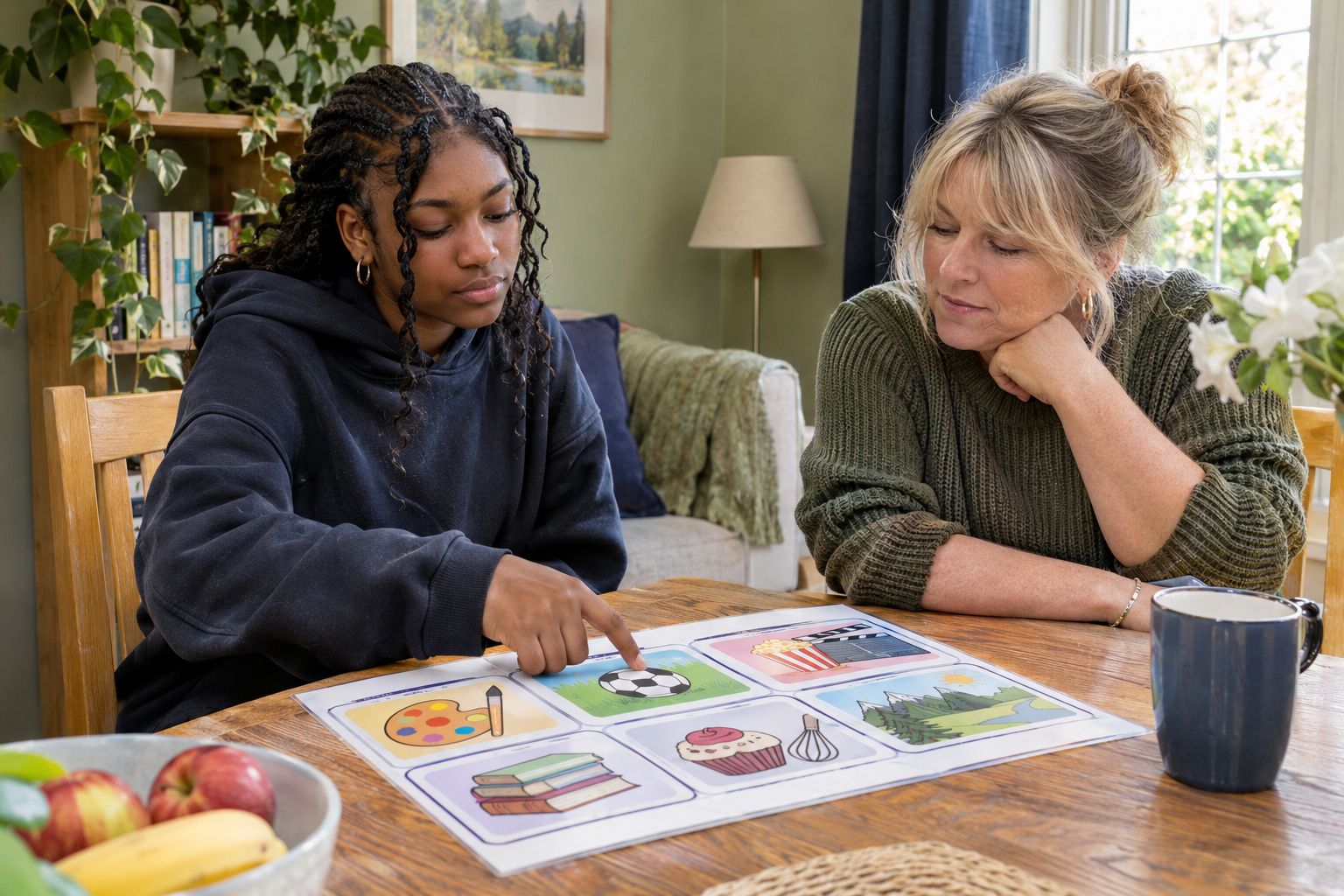
Enjoyment and achievement
Children take part in activities they enjoy, build interests and talents, and are proud of what they achieve.
Health and well-being
Children's physical, emotional and mental health needs are met, with access to health services and therapy when needed.
Positive relationships
Children are helped to build and keep healthy, safe relationships with staff, family, friends and the community.
Protection of children
Children are kept safe from harm and helped to understand and manage risks to themselves and others.
Leadership and management
The home is led well, with clear oversight, so every child receives consistently good care.
Care planning
Children's care is planned around their needs, with each move into and out of the home carefully prepared.
Source: The Children's Homes (England) Regulations 2015, regulations 6–14, and the DfE Guide to the Children's Homes Regulations including the quality standards (2015).